Newlands Boulder Architectural Styles to Know
May 28, 2026
May 28, 2026
If you walk through Newlands, you can feel the neighborhood’s architectural story almost block by block. Early cottages and bungalows, postwar ranches, and newer modern rebuilds all appear within the same area, which is part of what makes this part of Boulder so visually distinct. If you are buying, selling, or planning updates, understanding those styles can help you better read a home’s character, renovation potential, and market appeal. Let’s dive in.
Newlands sits north of downtown Boulder, and its historical core traces back to the Newland family’s subdivision. According to the CU Museum, the original Newland Addition extended from Alpine to Grape avenues between 2nd Street and Broadway. That early footprint helps explain why the neighborhood includes a mix of older homes, later postwar houses, and newer replacement homes.
In practical terms, Newlands does not read as a single-style neighborhood. Instead, you see porch-oriented early houses beside low-slung ranches and, in some cases, contemporary additions or rebuilds. That layered streetscape is a big part of Newlands’ identity today.
Many of Newlands’ older homes fall into the small-house vocabulary Boulder survey records use for early residential forms. Local records describe classic cottages as a popular early Boulder housing type, often with a hipped roof, square plan, and classical details. In the Newland Addition survey, individual homes are also identified as vernacular wood frame or Bungalow.
For you as a buyer or homeowner, these labels are most useful when they help you spot a home’s defining features. In Newlands, early cottages and bungalows often feel compact, porch-centered, and visually simple from the street. That modest scale is part of their appeal.
Common visual cues for these earlier homes include:
When these features remain intact, they help preserve the older rhythm of the street. Even when homes have been updated over time, these core forms often still shape the way the house presents itself.
Older Newlands houses often create a strong connection between the home and the street because of their porch orientation. Their scale also tends to feel more intimate than later home types. For sellers, that character can be an important part of a property’s story. For buyers, it can help you decide whether you are drawn to a more traditional layout and exterior presence.
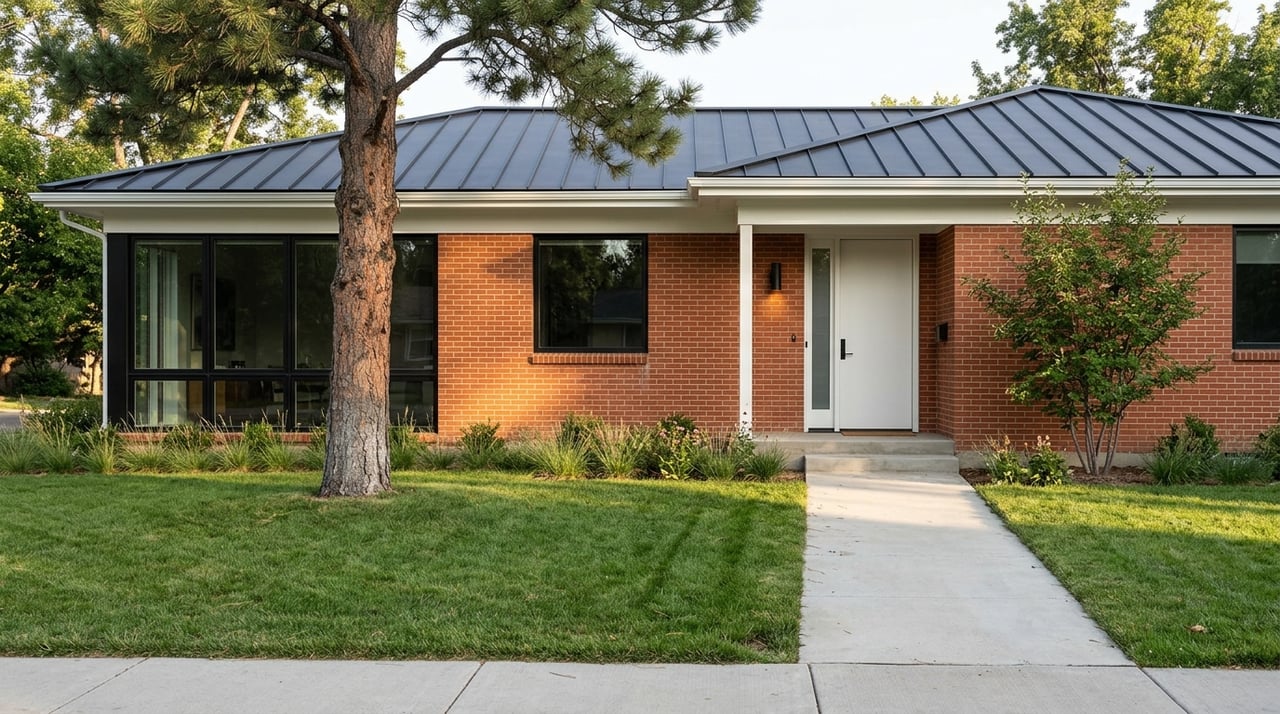
Newlands is not only about early Boulder architecture. Boulder’s postwar survey identifies the Simple Ranch as the city’s most common postwar architectural type, and the neighborhood includes mid-century evidence in the record. A 1954 appraisal card for 695 Dellwood Avenue and a 1946 survey for 919 Balsam Avenue both document mid-century houses within the Newlands subdivision context.
That matters because it places Newlands within Boulder’s larger postwar housing story. As the neighborhood evolved, single-story ranch homes became part of its architectural mix. These houses introduced a different look and a different way of living on the lot.
Boulder’s postwar survey describes the simple ranch with a recognizable set of traits:
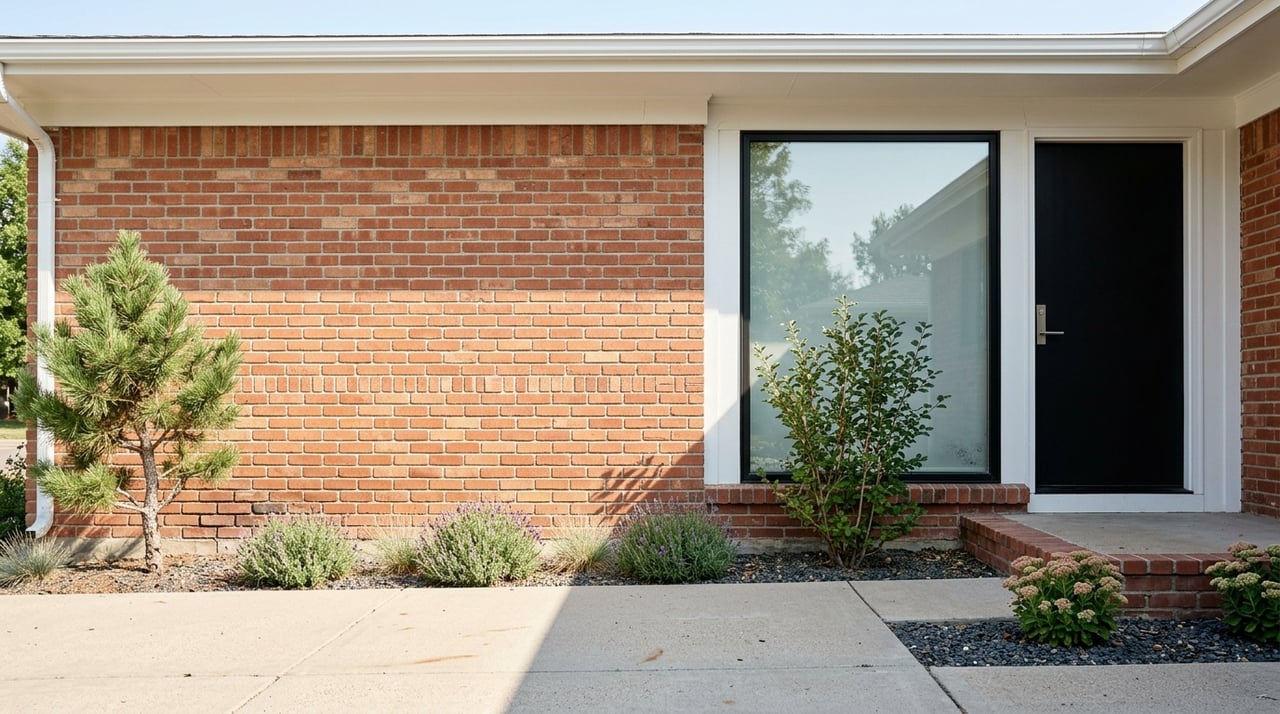
Compared with earlier cottages or bungalows, ranch homes usually present a more horizontal profile. They often emphasize easy movement between the house, driveway, and yard, which is one reason they remain appealing to many buyers.
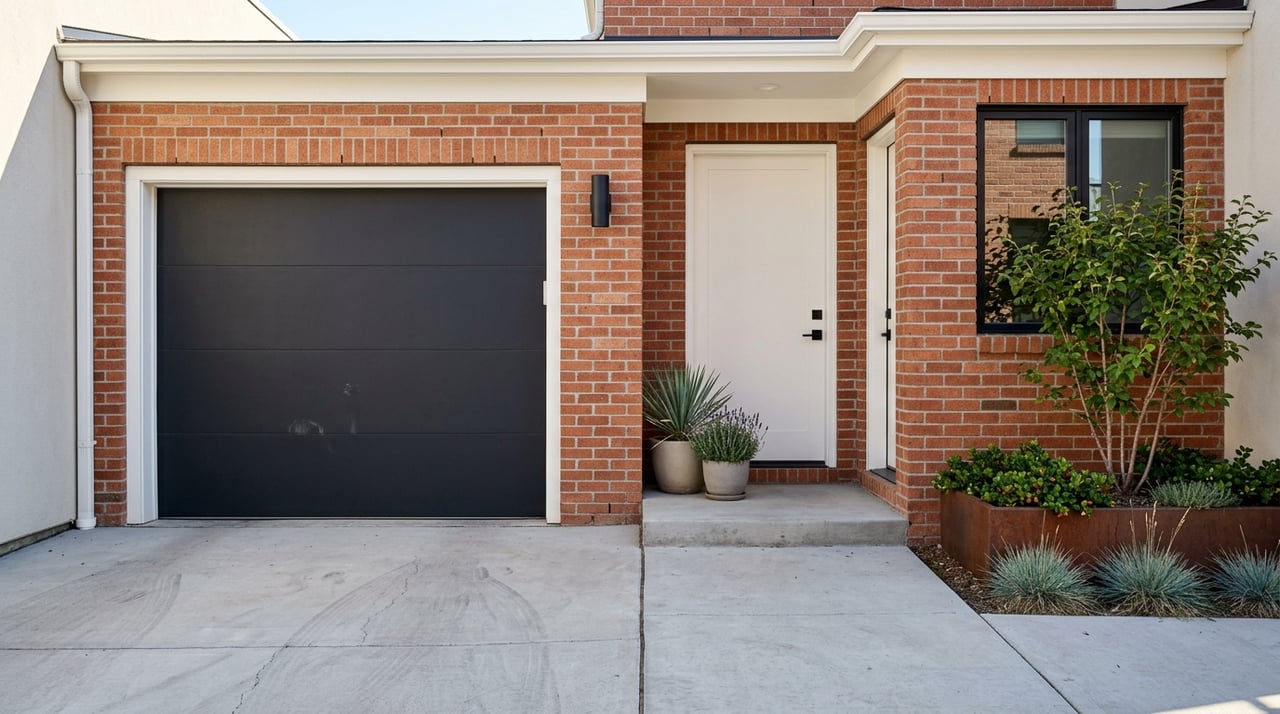
If you have toured ranch homes in Newlands, you may have noticed that many no longer look entirely original. Boulder’s postwar survey notes common later changes such as replacement windows and siding, garage enclosures, stucco overlays, and larger covered entries where the original porch was minimal or absent.
These updates can make one ranch feel quite different from the next, even when the basic form is the same. For buyers, this is a reminder to look beyond finishes and focus on the underlying structure and massing. For sellers, it helps explain why thoughtful presentation matters when marketing a ranch with updated features.
Newlands continues to evolve. The Boulder County appraisal record for 2802 9th Street states that the structure now on that lot was built in 2018 and carries the 919 Balsam Avenue address, showing that replacement homes are part of the neighborhood’s current fabric.
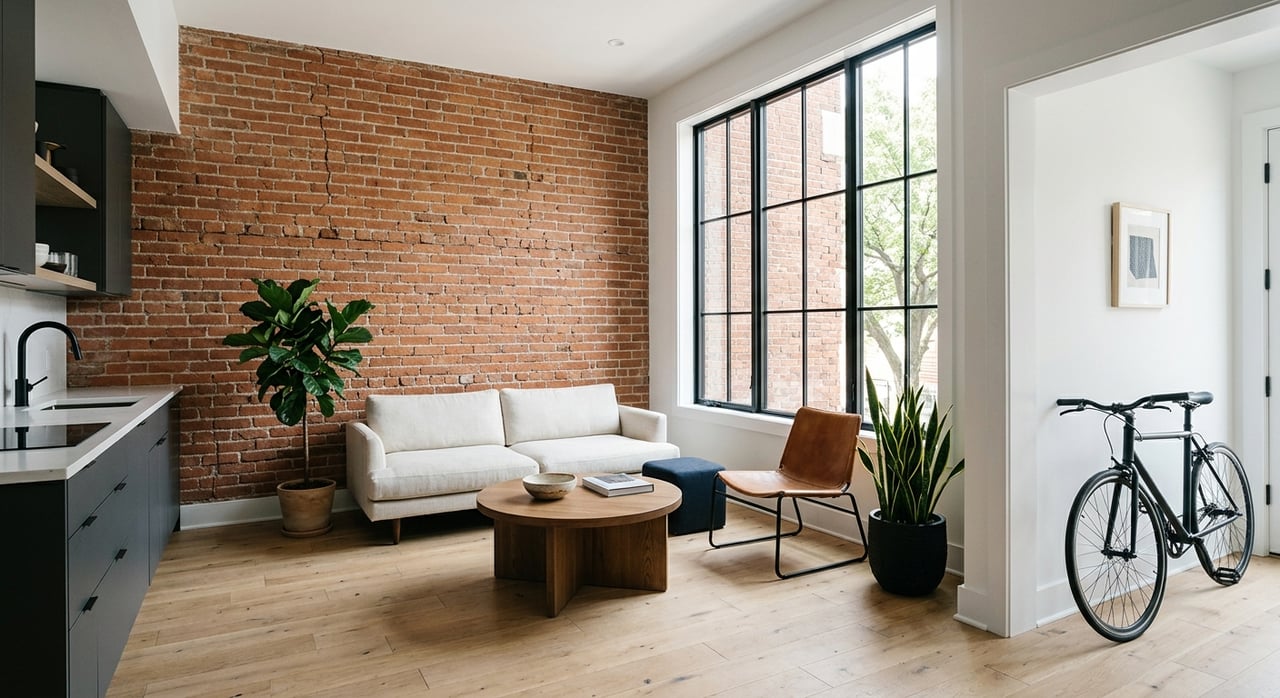
That means Newlands is not frozen in time. Alongside older cottages and postwar ranches, you may also find newer homes that reinterpret the lot in a more contemporary way. These projects add another layer to the neighborhood’s architectural identity.
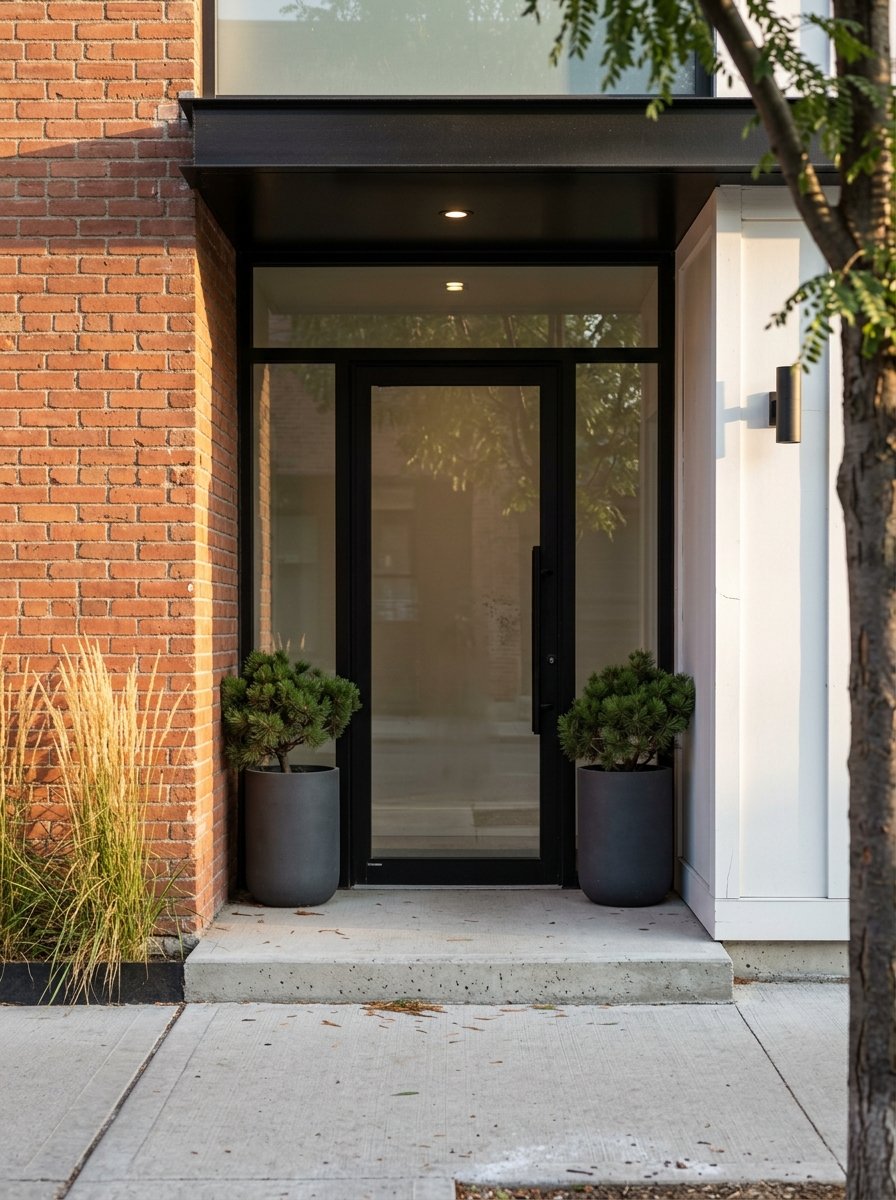
A Newlands project described by Neal Evers Architecture offers a useful example of this newer design language. The project includes a butterfly-roof addition, a landscaped entry court, a fully opened interior plan, modern apertures, and a remodeled kitchen.
In plain terms, contemporary Newlands homes may feel lighter, more open, and more explicitly modern than older neighboring houses. If you are comparing properties, this can help you quickly understand whether a home leans historic, mid-century, or current in its design expression.
When you understand Newlands’ main architectural types, you can make better comparisons. A bungalow, a simple ranch, and a newer rebuild may offer very different living patterns, renovation paths, and exterior identities, even if they share a similar price range or lot size.
That kind of clarity helps you focus on fit, not just features. It can also help you ask better questions about a home’s age, prior changes, and compatibility with your goals.
For sellers, architectural clarity supports stronger positioning. A buyer responds differently to a porch-centered early house, a horizontal mid-century ranch, or a design-forward modern rebuild. The right presentation starts by understanding what the home already is.
In a neighborhood like Newlands, that context matters. The style of the house often shapes how buyers perceive character, functionality, and future potential.
If you own a home in Newlands or plan to buy one with renovation in mind, Boulder’s preservation rules deserve close attention. The city states that historic-preservation review is required for landmarked properties, properties in historic districts, and certain non-designated buildings over 50 years old when demolition review is triggered.
For designated properties, exterior changes must be compatible with the building’s existing style, texture, color, and materials. That compatibility standard can directly shape design decisions, materials, and scope.
The city also states that exterior changes to landmarked properties and homes in historic districts require a Landmark Alteration Certificate. In addition, the Landmarks Board reviews new free-standing construction over 340 square feet.
For homeowners, this means renovation is not only about design preference. It is also about understanding the review process early so your plans align with local standards.
Boulder points researchers to the Carnegie Branch Library, where survey forms can help confirm a home’s construction date, architectural style, and past residents. If you are evaluating a property, those records can add useful context before you plan updates or prepare a listing.
That kind of detail is especially helpful in a neighborhood like Newlands, where the visual mix can make age and style less obvious at first glance. Good research helps you move forward with more confidence.
Newlands is best understood as a neighborhood of layers rather than a single architectural label. Its early cottages and bungalows bring porch-centered character, its ranch homes reflect Boulder’s postwar growth, and its newer additions and rebuilds show how the area continues to change.
If you are buying, selling, or considering a renovation, those distinctions matter. They shape not only how a home looks, but also how it lives, how it may be updated, and how it fits into the broader neighborhood story.
With decades of Boulder experience and practical construction knowledge, John Mac Group can help you evaluate architectural character, renovation considerations, and market positioning for your Newlands property.
Stay up to date on the latest real estate trends.