Downtown Boulder Walkable Living and Car-Free Lifestyles
May 7, 2026
May 7, 2026
What if living in the heart of Boulder did not require a car at all? For many buyers, that idea sounds appealing but also a little uncertain, especially when you start thinking about errands, weather, and day-to-day convenience. If you are considering a low-maintenance home in the city center, this guide will show you how car-free living in Downtown Boulder actually works, where it works best, and what tradeoffs to expect. Let’s dive in.
Downtown Boulder is built around a compact, walkable core rather than a drive-first layout. Pearl Street Mall has been car-free since 1977 and remains a four-block outdoor pedestrian destination with shops, restaurants, and RTD access. The surrounding downtown district also brings together services, entertainment, lodging, and events in one central area.
That concentration matters in everyday life. When your coffee shop, grocery stop, dinner plans, transit connections, and outdoor space are all close together, a car becomes less necessary for routine trips. Central Park and the Civic Area add Boulder Creek access, recreation, and the farmers market, which makes daily life feel even more connected on foot.
Downtown is also maintained as a business improvement district. According to the city, property owners fund supplemental services that help keep the area cleaner, safer, and more vibrant. For residents, that often supports the polished, active feel that makes a walk-first lifestyle more practical.
If you want to live car-free, the first question is simple: can you get where you need to go easily? In Boulder, walking is a strong starting point. The city has earned Gold-level Walk Friendly Community recognition, which reflects its long-standing investment in pedestrian access.
Biking extends your range even more. The city reports more than 300 miles of bikeway, including 96 miles of bike lanes, more than 80 bike and pedestrian underpasses, 84 miles of multi-use paths, and 50 miles of designated bike routes and Neighborhood GreenStreets. For a downtown resident, that means many trips across Boulder are realistic without getting behind the wheel.
Downtown-specific bike logistics are also thoughtful. The city provides free bicycle racks across Boulder and free secure bike parking inside three downtown garages: Spruce Street and 11th Street, Pearl Street and 15th Street, and Walnut Street and 14th Street. The city also supports BCycle e-bike share and Lime e-scooters, which can help fill the gap for quick trips.
There is one local rule to keep in mind around Pearl Street Mall. Bikes and wheeled devices must be dismounted on and around the mall, and sidewalk riding is prohibited there except for accessibility purposes. If you plan to bike often, it helps to know where your route shifts from riding to walking.
For many residents, car-free living works best when transit is easy, frequent, and close by. Downtown Boulder has a major advantage here because Downtown Boulder Station serves as a regional hub near 14th Street and Walnut. It serves 18 bus routes and includes bike racks and bike lockers, though it does not offer RTD parking.
The station expansion completed in 2025 added five bus gates, wider sidewalks, bike racks, pedestrian shelters, and other rider amenities. The city says the station connects Boulder to Denver, Golden, Lafayette, Louisville, and Denver International Airport. Project background data also noted more than 1,200 daily bus trips and over 3,300 passenger boardings.
For regional travel, the Flatiron Flyer provides 18 miles of express, high-frequency bus service between downtown Denver and Boulder. For local movement, the HOP bus is especially useful. The city says it runs every 12 minutes on weekdays, every 15 minutes on Saturdays, and every 23 minutes on Sundays and holidays.
Cost is another practical point. A one-way HOP fare is $2.75 and acts as a three-hour pass with unlimited rides and transfers, including RTD connections. Some residents may also benefit from an RTD EcoPass through a neighborhood, apartment building, or HOA, which can include local, regional, and airport service.
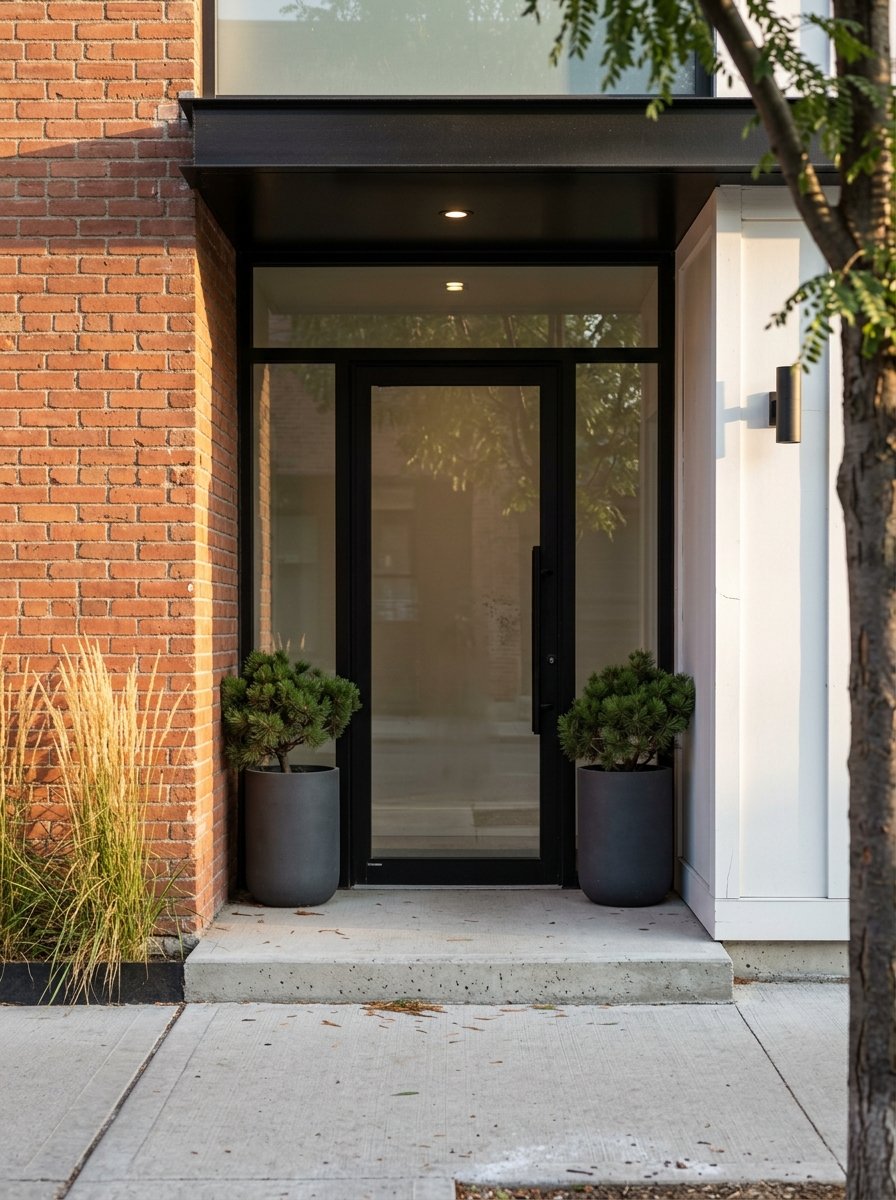
Not every downtown home supports the same lifestyle. In most cases, the easiest fit for car-free living is a condo or apartment-style residence in a mixed-use building. City zoning materials describe mixed-use buildings as properties that combine residential units with non-residential uses, which often aligns well with a walkable urban routine.
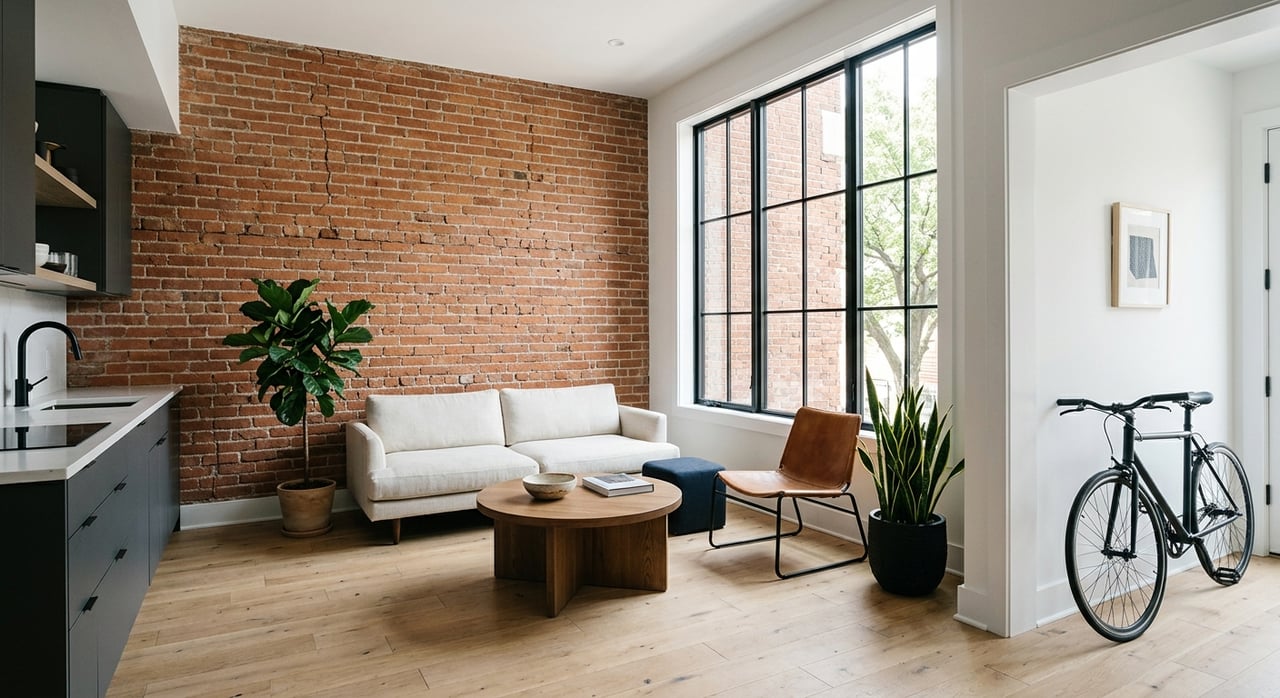
That type of housing tends to support a lower-maintenance lifestyle. Instead of managing a detached house and relying on driving for most errands, you may be able to live in a secured building with elevator access, simpler upkeep, and close proximity to transit and daily services. In a downtown setting, those details often matter more than lot size or garage space.
A helpful example from the city’s property pages is 1301 Canyon Boulevard Unit 203, described as an urban-living condo in a secured building with underground parking, an elevator, an open floor plan, a balcony, and walkability to buses and the transportation hub. While each building is different, that example highlights features many downtown buyers value: secure entry, easy access, and a location close to Pearl Street, the Civic Area, and Downtown Boulder Station.
If you are shopping for a downtown home with a car-light or car-free goal, it helps to focus on features that support daily ease.
Look for:
A great downtown address is not just about being central. It is also about how smoothly your routines work on foot, by bike, or by bus.
Pay attention to:
A useful neighborhood guide should be honest about both strengths and limits. Car-free living in Downtown Boulder is very workable, but it is not effortless in every season or for every routine. The city’s downtown engagement work found that people get downtown mainly by bike, foot, or personal vehicle, and weather can shift preferences heavily toward driving.
That seasonal reality matters. Sunny days can make a walking or biking routine feel easy, while snow, cold, or storms can change your comfort level. If you are considering this lifestyle, it is wise to picture your January routine, not just your September one.
It is also worth remembering that downtown is lively. The district is used for shopping, dining, socializing, people-watching, and nightlife, so the pace is more active than quiet. For some buyers, that energy is a major draw. For others, it is something to weigh carefully when choosing a building and block.
Downtown Boulder is also not car-exclusive. The city provides more than 2,500 parking spaces in the downtown area and five city garages, which gives flexibility when you need it. That mix is part of what makes downtown practical: you can live with less dependence on a car without losing access to one as a backup.
This lifestyle tends to work best when your daily patterns are already centered in the core. If you enjoy walking to coffee, transit, dinner, recreation, and errands, Downtown Boulder offers a rare level of convenience in a compact setting. It can be especially appealing if you want a design-minded, low-maintenance home with less time spent driving.
It may be a particularly strong fit if you value proximity over square footage. Many buyers find that being steps from Pearl Street, Boulder Creek, and transit offers a different kind of luxury, one based on ease, access, and flexibility. In the right building, that can translate into a very efficient and enjoyable way to live.
Choosing well is still important. Building quality, secure access, bike logistics, and exact location within downtown can shape your experience as much as the neighborhood itself. That is where local guidance can help you sort through which properties truly support the lifestyle you want.
If you are considering a condo or downtown home that supports a walkable, low-maintenance lifestyle, John Mac Group can help you evaluate the details that matter most in Boulder.
Stay up to date on the latest real estate trends.