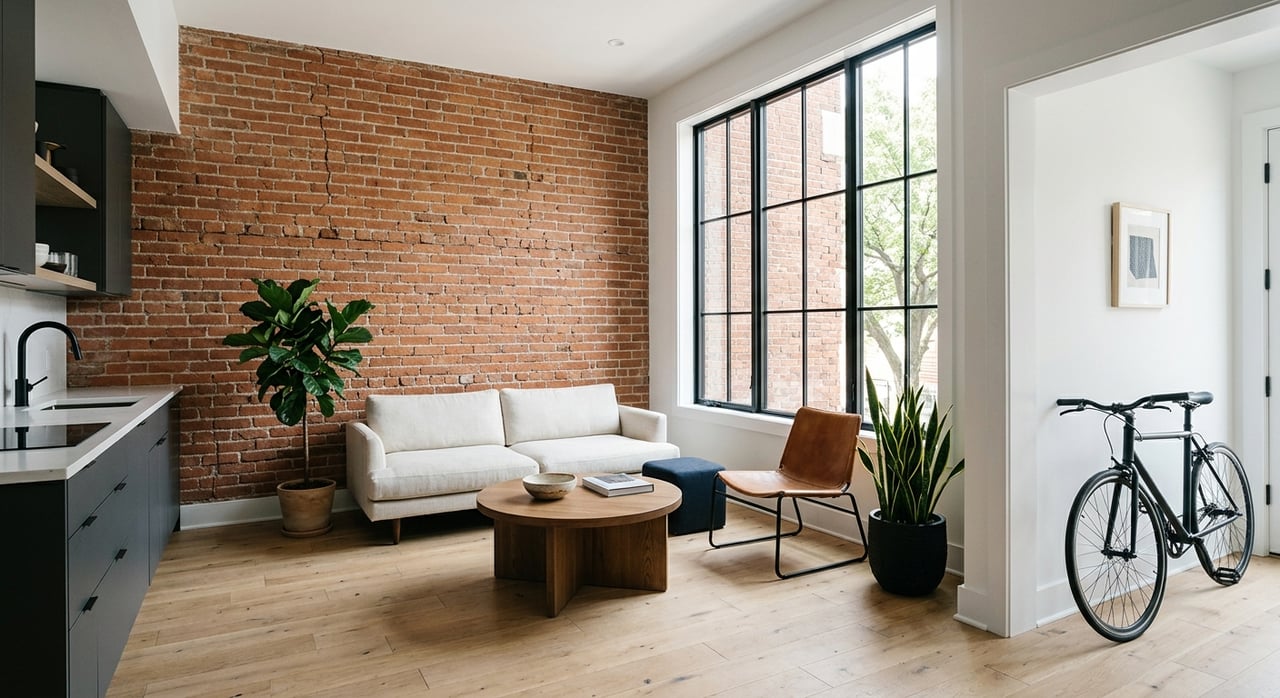
Preparing A Historic Mapleton Home For Today’s Buyer
June 4, 2026
June 4, 2026
Selling a historic home can feel like a balancing act. You want to honor the details that make your Mapleton property special while also giving today’s buyers the confidence to move forward. The good news is that you do not need to strip away character to compete. With the right preparation, you can highlight original charm, address likely concerns, and present the home in a way that feels both timeless and current. Let’s dive in.
Mapleton’s roots go back to the 1850s, and the city still has a small historic core near Main Street and Maple Street, with newer neighborhoods built around it. City planning materials also show a strong local interest in preserving rural character, open space, and a sense of place as growth continues.
That context matters when you prepare a historic home for sale. Buyers in Mapleton are often looking for a polished presentation, but many also appreciate a property that still feels connected to the city’s heritage. In a market with high owner occupancy, substantial home values, and higher household incomes, buyers may expect both visual appeal and a clear record of upkeep.
One of the biggest mistakes sellers make with older homes is over-updating. According to the National Park Service rehabilitation standards, historic character should be retained and preserved, and distinctive materials and features should be repaired rather than replaced when possible.
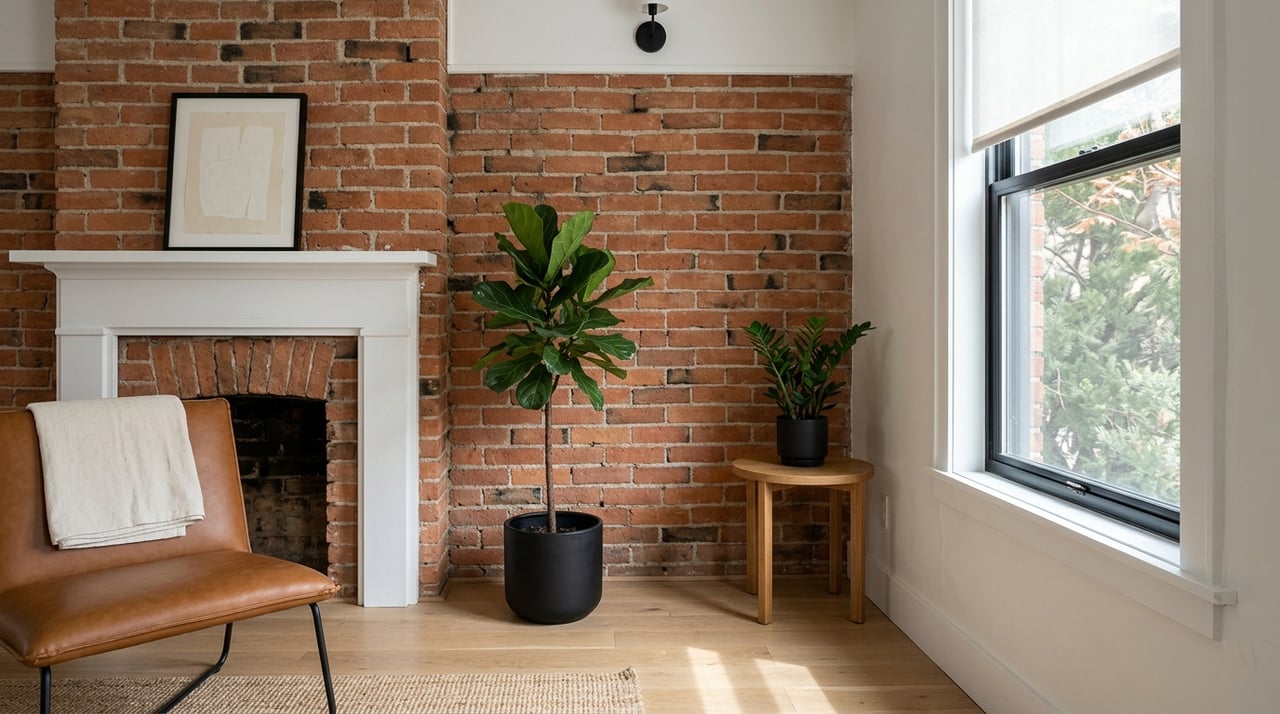
That means your original trim, wood floors, doors, masonry, built-ins, and other defining details may be assets, not obstacles. If they are in good condition, keep them visible and well maintained. If they need work, repair is often a better move than swapping them out for something generic.
As you walk through your home, look for the elements that give it identity:
When buyers step into a historic Mapleton home, they often want to feel that the property has authenticity. Clean, repaired, and thoughtfully presented original features can help create that response.
If a component is worn out, choose a visually compatible replacement instead of the trendiest option on the market. Oversized fixtures, overly modern finishes, or design choices that fight the home’s age can make the property feel less cohesive.
A better approach is usually a light refresh. Paint, lighting, hardware, and landscaping can help the home feel current without removing the details that make it memorable.
A pre-list inspection is not required, but it can give you a clearer picture before your home hits the market. The National Association of Realtors says inspections commonly review the structure, exterior, roof, plumbing, electrical, HVAC, interiors, insulation, ventilation, and fireplaces.
For a historic property, that early insight can be especially useful. It gives you time to decide what to repair, what to monitor, and what you may need to disclose. It also helps you avoid learning about a major issue only after a buyer is under contract.
A pre-list inspection can help you:
This is often one of the most practical first steps if you have owned the home for many years or if maintenance records are scattered across time.
Fresh styling matters, but buyers tend to focus first on the home’s condition. If your inspection points to roof concerns, electrical issues, plumbing leaks, HVAC problems, or moisture intrusion, those items usually deserve attention before you spend heavily on decor.
This is where a construction-informed approach can make a difference. When the major systems are working well, cosmetic improvements carry more weight because buyers are less likely to see the home as a project.
A simple sequence can help:
That order supports both buyer confidence and smoother negotiations.
Historic homes often raise health and disclosure questions, and in Utah, radon deserves special attention. The Utah Department of Environmental Quality says about 30 percent of homes tested in Utah have the potential to exceed the EPA action level of 4 pCi/L.
Utah DEQ also states that sellers should disclose hazardous conditions such as radon gas in the house or well based on their current actual knowledge. If your home has been renovated or if a buyer plans to use a different level of the home, a retest may also make sense.
Lead paint rules may apply to most pre-1978 housing. If you plan to do renovation, repair, or painting work that disturbs painted surfaces, that work should be handled by lead-safe certified firms and renovators.
This matters for projects like:
Careful planning protects your household during prep and helps reduce avoidable issues later in the sale process.
You do not need a full remodel to make a historic Mapleton home appeal to modern buyers. In many cases, thoughtful presentation goes further than a dramatic renovation.
The National Association of Realtors recommends practical preparation such as cleaning windows, carpets, walls, and fixtures, storing clutter, improving curb appeal, and gathering warranties and manuals for systems that will stay with the home. Those basics are especially valuable in an older property, where buyers may already be watching closely for signs of deferred maintenance.
Consider focused improvements like these:
These updates help the home feel cared for without competing with its historic features.
NAR guidance shows that living rooms, kitchens, primary bedrooms, and dining rooms are among the spaces most commonly staged. If you are not fully staging the entire property, those rooms are often the best place to focus your energy and budget.
In a historic home, staging should support the architecture instead of distracting from it. Keep furnishings scaled appropriately, let original details stay visible, and avoid filling every room with decor.
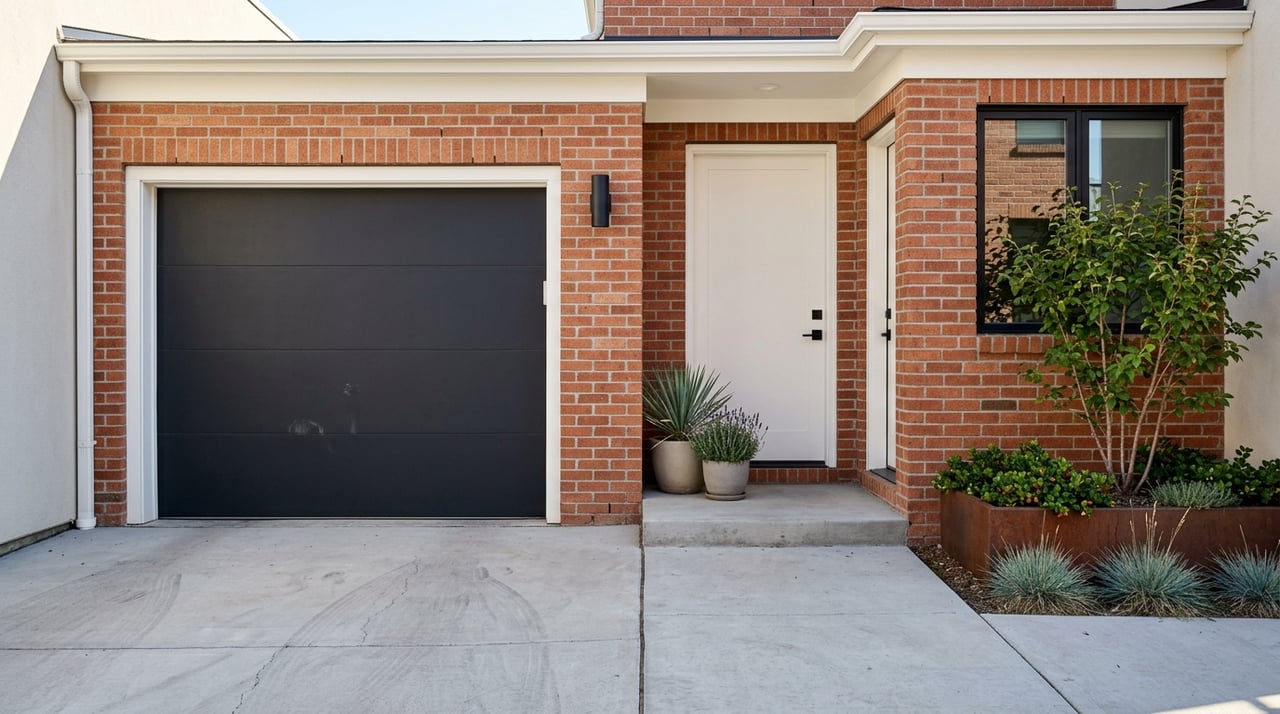
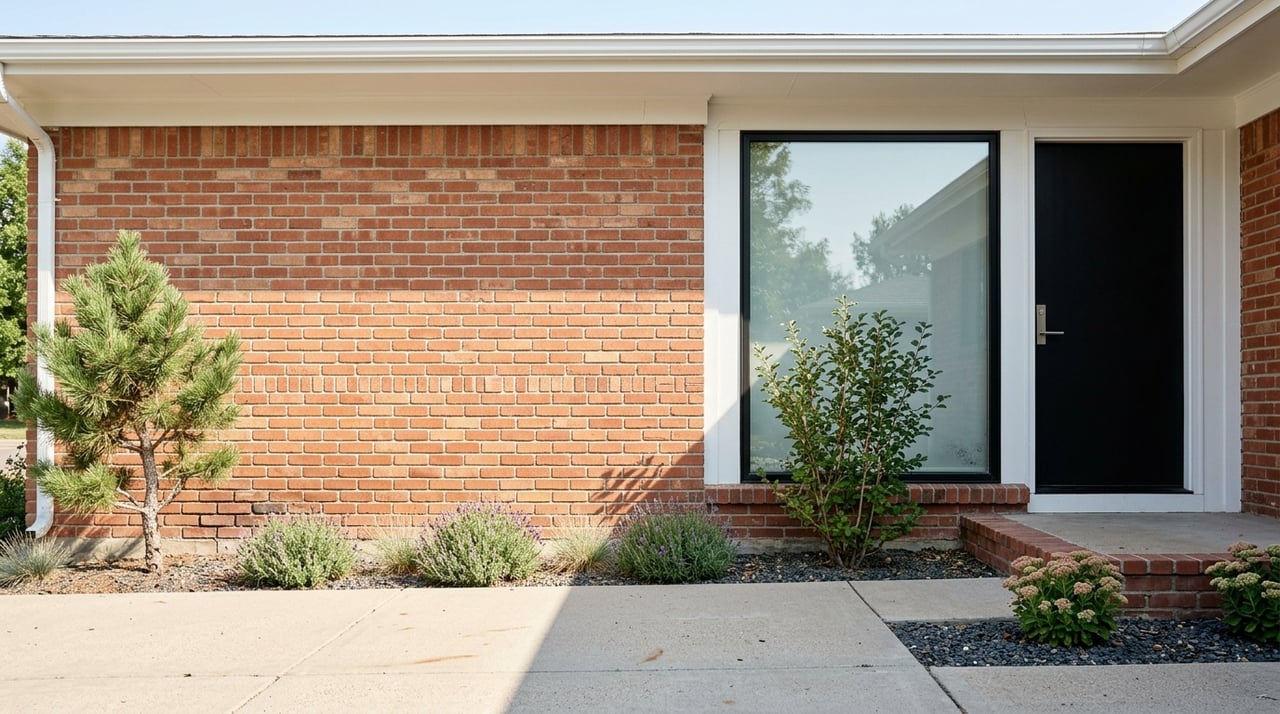
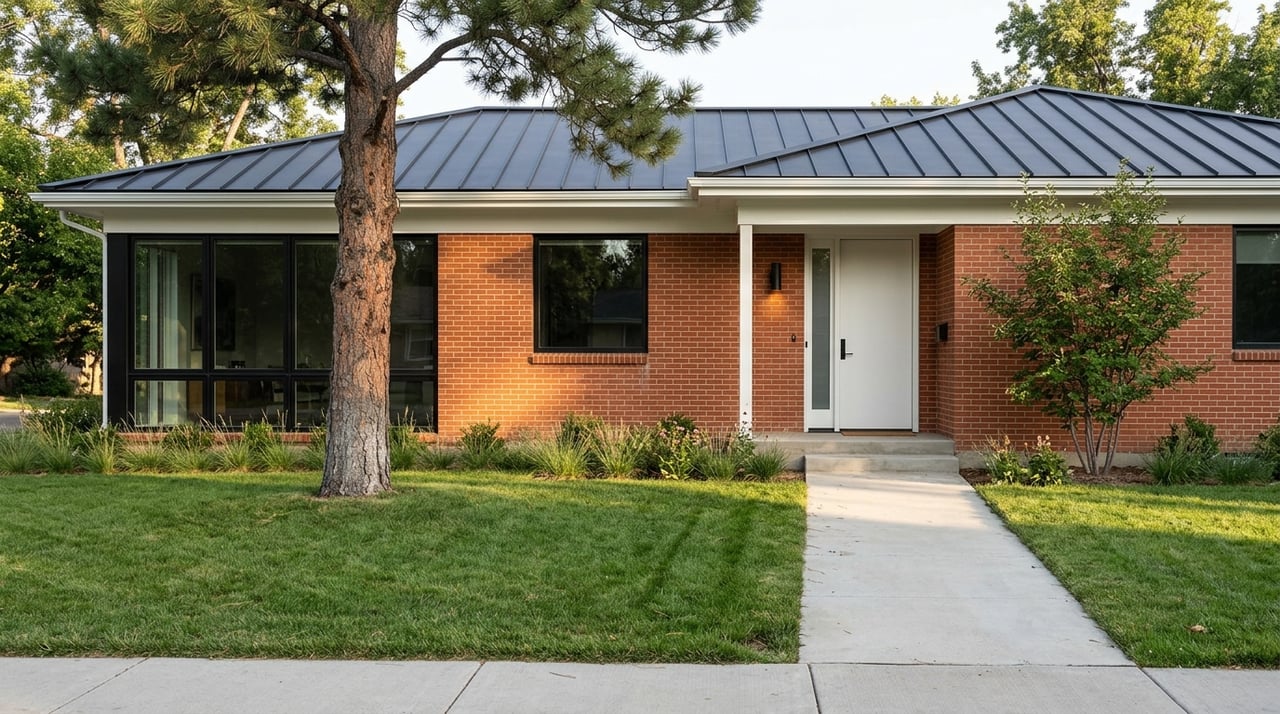
Exterior presentation matters, especially in a city that continues to emphasize rural character and heritage. Mapleton’s water conservation planning also encourages water-wise landscaping, which makes low-water curb appeal a practical strategy.
If your lot is large, the goal is not necessarily to make every inch lush or elaborate. A simpler, well-kept landscape can feel more aligned with local expectations and easier for buyers to maintain.
A clean, orderly exterior sets the tone before buyers ever walk through the front door.
Historic homes often come with questions that newer homes do not. Buyers may want to know what is original, what has been updated, whether work was permitted, and how older systems have been maintained.
Before listing, gather what you can into one clear package. That can include inspection reports, repair invoices, manuals, warranties, permit records, and notes on major improvements.
Try to be ready with:
If the property is officially historic or contributes to a historic district, there may also be preservation-related context worth understanding. Utah SHPO notes a 20 percent state historic preservation tax credit for qualified rehabilitation costs on eligible residential buildings listed in the National Register, with project costs over $10,000 and work that follows the Secretary of the Interior’s Standards.
Mapleton also has a local preservation resource in the Mapleton Towne Square Historical Committee, which helps preserve the city’s heritage and maintains a digital collection of historic photographs. For some sellers, that kind of local context can help support a stronger property narrative.
If you are not sure where to begin, keep the process simple. The most effective seller workflow is usually to inspect early, repair the systems that matter most, preserve character-defining features, keep records organized, and be ready to explain both the home’s history and its updates.
That sequence helps you avoid wasted money and keeps the final presentation grounded in what buyers actually care about. A historic home does not need to feel frozen in time. It just needs to feel authentic, well cared for, and ready for its next chapter.
If you are preparing a character-rich property for market and want practical guidance on what to repair, preserve, and present, talk with John Mac Group.
Stay up to date on the latest real estate trends.