Selling a Downtown Boulder Condo With More Confidence
May 14, 2026
May 14, 2026
Selling a condo in Downtown Boulder can feel deceptively simple. You may assume the location will do most of the work, but in today’s market, buyers are looking closely at price, presentation, and building details before they commit. If you want to sell with confidence, it helps to know what buyers are comparing, where deals slow down, and how to prepare your home before it goes live. Let’s dive in.
Downtown Boulder offers a lifestyle that is hard to replicate. The area blends homes, shops, restaurants, public spaces, and daily convenience in a walkable mixed-use setting centered around Pearl Street and the civic core.
That appeal is real, and the activity levels support it. The Downtown Boulder annual report says the district recorded 8.4 million visits in 2025 from 1.8 million unique visitors, with average dwell time just under two hours. For condo sellers, that means lifestyle is part of the value story.
Still, strong location does not guarantee a quick sale. Recent market trackers describe Downtown Boulder as a buyer’s market, which means buyers often have time to compare options and negotiate more carefully.
Realtor.com’s February 2026 neighborhood summary reported a median home price of $898,600, a 96% sale-to-list ratio, and 98 median days on market. Redfin’s March 2026 data also described the area as not very competitive, with homes selling about 3% below list on average. Condo-specific data showed 16 condos for sale with a median listing price of $824K, and many units lingering on market longer.
In a market like this, pricing is one of your biggest advantages. Buyers are not just asking whether your condo is nice. They are asking whether it feels like the best value among similar options in the same area and, often, in the same building category.
That is why pricing should be tied to recent closed sales and current competition, not to older peak-market expectations. Research for Downtown Boulder points to price sensitivity, which makes an accurate launch price more important than planning for a later reduction.
A strong first impression matters. If your condo enters the market priced too high, even a well-designed home can sit long enough for buyers to assume something is off. In a buyer-favored environment, stale pricing can cost both momentum and negotiating power.
For a downtown condo, square footage is only part of the story. Buyers are often choosing a low-maintenance, centrally located lifestyle, so they are evaluating how the home supports daily living as much as the floor plan itself.
That means your marketing should highlight the practical benefits of downtown living in clear, factual ways. Walkability, proximity to the civic core, convenience, parking, storage, building amenities, and easy lock-and-leave living can all shape buyer perception.
The City of Boulder describes downtown as a pedestrian-oriented mixed-use area supported by parking operations, alternative modes, and district programming. For you as a seller, that reinforces the importance of presenting your condo as a polished urban residence, not just a smaller alternative to a house.
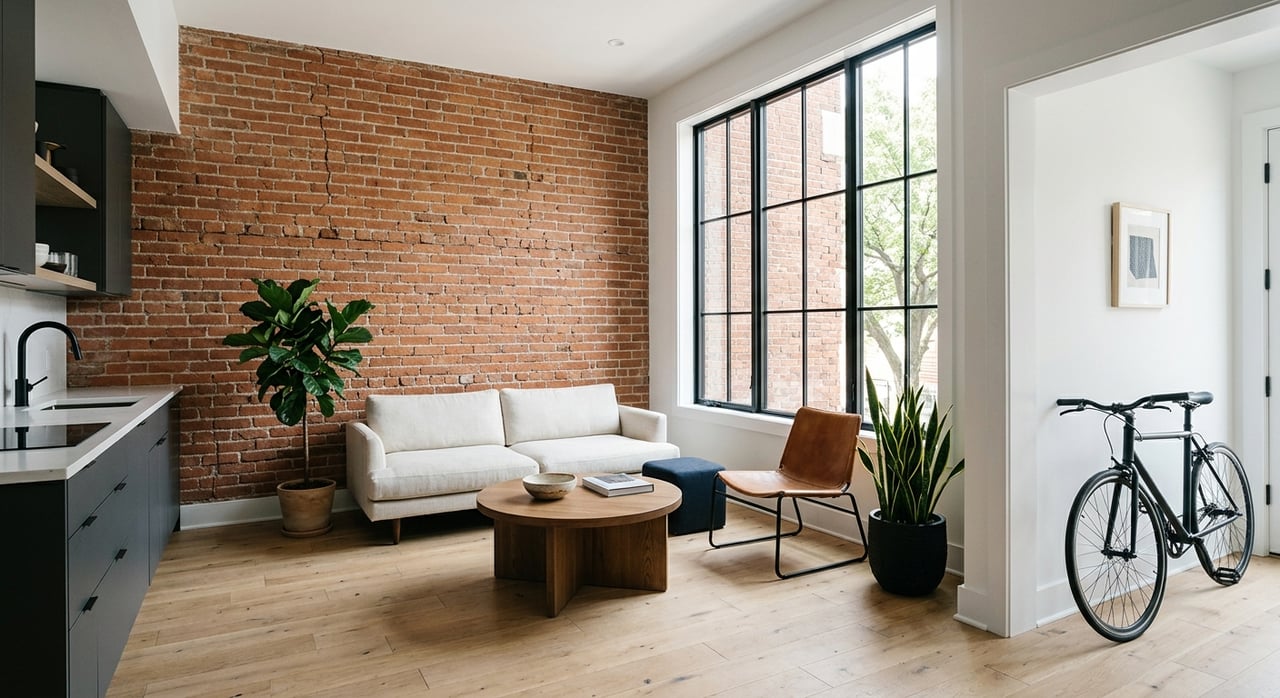
Staging tends to matter especially much in condos because buyers are judging scale, light, and layout very quickly. In NAR’s 2025 staging report, 29% of agents said staging produced a 1% to 10% increase in the dollar value offered, and 49% said staging reduced time on market.
For a Downtown Boulder condo, the goal is usually not adding more furniture. It is editing the space so buyers can understand it at a glance.
Start with the basics:
NAR also found that the living room, primary bedroom, and kitchen are especially important spaces to stage. If your condo has a balcony, terrace, or notable shared-entry view, treat that area with the same care as the interior.
Most downtown condo sellers do not need a major renovation before listing. In many cases, the better move is a set of smaller interior improvements that freshen the home without creating delay or unnecessary cost.
NAR’s 2025 Remodeling Impact Report points to strong buyer appeal for paint, kitchen refreshes, and bathroom work. For condos, the most practical pre-list upgrades often include:
These improvements can help the home feel cleaner, more current, and better cared for. They also fit the way many downtown buyers shop, with a strong focus on finish quality and low-maintenance living.
In Colorado condo sales, buyers often pay close attention to the health of the association. The Colorado Division of Real Estate says buyers in an HOA should review governing and financial documents because those records help show the community’s operational and financial well-being.
That means your condo listing is not only about your unit. Buyers may also want clarity on dues, reserves, maintenance, insurance, parking rules, pet policies, rental restrictions, and any special assessments or building projects.
The smoother approach is to assemble key documents before you list. A well-prepared package can reduce friction, support buyer confidence, and help keep a strong offer from stalling during document review.
Useful items to gather before launch include:
Colorado disclosure rules deserve close attention in any sale, and condo sellers should be especially organized. The current Colorado Seller’s Property Disclosure form for residential property has a mandatory use date of January 1, 2026, and it requires disclosure of known adverse material facts based on your current actual knowledge.
The Colorado Division of Real Estate also says brokers must disclose known adverse material facts to prospective buyers, including defects, title issues, zoning problems, and environmental hazards. For condos, the unit disclosure applies to the unit itself, while many association-related issues are addressed through HOA documents.
The practical takeaway is simple. If you know of an issue, address it directly and early with your broker so the transaction can move forward with fewer surprises.
Downtown Boulder includes both a local landmark district and a National Register historic district. If your condo is within the Downtown Historic District or an interface area, visible exterior changes may require more care than they would in a typical project.
The City of Boulder says historic district designation provides protection through design review so future changes remain sensitive to historic character. That does not mean nothing can change, but it does mean you should be cautious about items like windows, exterior fixtures, balconies, and façade-facing updates.
If you are considering improvements before listing, confirm what is actually allowed. HOA approval or city review may affect timing, cost, and scope, so it is smart to verify the path before spending money.
Confidence does not come from assuming Downtown Boulder will sell itself. It comes from going to market with the right price, a clean and design-conscious presentation, and the paperwork buyers want to see.
A strong launch usually includes three things working together:
That approach fits both the local market and the kind of buyer many downtown condos attract. When your home looks move-in ready, feels easy to understand, and is priced with discipline, you put yourself in a much stronger position to negotiate well.
Selling a Downtown Boulder condo is rarely about one dramatic move. More often, it is the result of thoughtful preparation, honest pricing, and a calm, well-managed process. If you want tailored guidance on positioning your condo for today’s market, talk with John Mac Group.
Stay up to date on the latest real estate trends.