A Perfect Day On Foot In Whittier And Downtown
June 18, 2026
June 18, 2026
Looking for a Boulder day that feels easy, local, and genuinely walkable? Whittier and Downtown make that kind of day surprisingly simple. If you are curious about the lifestyle this part of Boulder offers, this guide will show you how to spend a full day on foot while getting a real feel for the neighborhood rhythm. Let’s dive in.
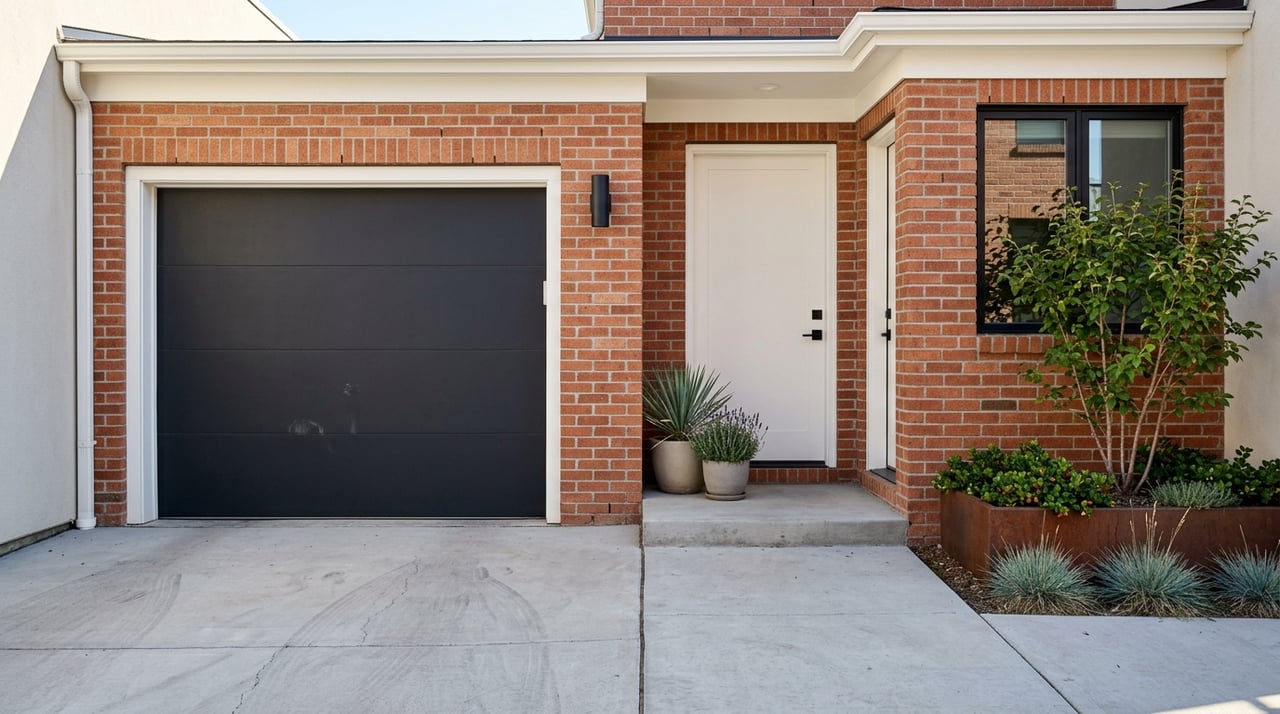
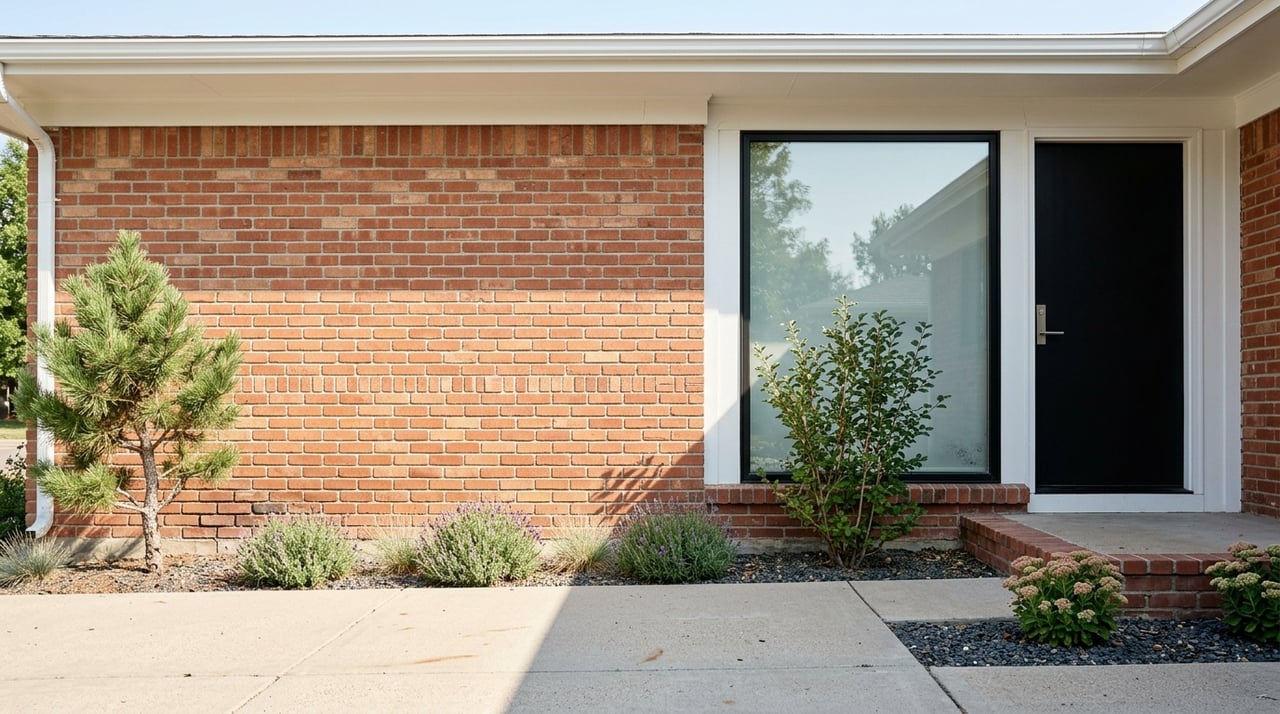
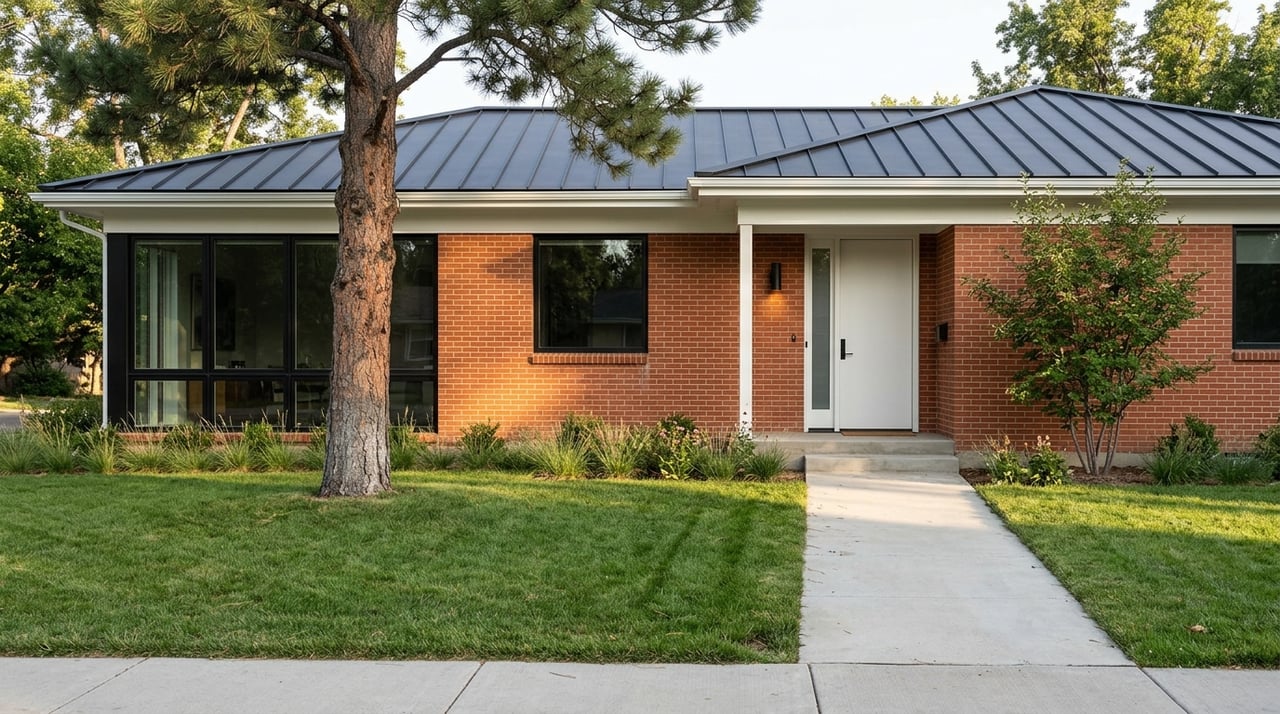
Whittier is one of Boulder’s historic residential neighborhoods, with roots tied to the city’s founding in 1859. City historic-tour material notes that the area evolved over time through rental conversions, second units, and attached or detached structures added behind original homes. That layered history helps explain why Whittier feels varied and lived-in, rather than built around a single housing type.
Just as important, Whittier sits close to Downtown Boulder and next to a more mixed-use, higher-density context. In practical terms, that means daily life here can flow naturally between neighborhood streets, creek access, parks, and the downtown core. You are not driving into the action. You are already near it.
City parking rules reinforce that point in a subtle way. Whittier has managed neighborhood parking, with permit enforcement during the day on weekdays and separate permit periods on Friday and Saturday nights. That setup reflects a part of Boulder where access is organized more around neighborhood-scale movement than abundant free parking.
A good walking day in this part of Boulder starts with coffee or breakfast near Pearl Street. The Pearl Street area offers plenty of choices, including Boxcar Coffee Roasters, Laughing Goat Coffeehouse, Ozo Coffee Co., Alpine Modern Coffee Bar, Amante Coffee, Brewing Market Coffee, The Cup Espresso Cafe, Trident Booksellers and Cafe, and the Boulder Dushanbe Teahouse.
If you want a slower, more distinctive start, the Boulder Dushanbe Teahouse is an easy pick. Downtown visitor materials describe it as a one-of-a-kind cultural stop in Boulder, and its creek-side patio gives your morning a calm pace before the day picks up. It works well whether you want tea, brunch, or simply a memorable first stop.
You can keep the first part of the day simple:
That flexibility is part of the appeal. In a walkable area, the best moments are often the ones you did not schedule in advance.
Pearl Street Mall anchors Downtown Boulder as a four-block pedestrian mall where cars are prohibited. The downtown district includes the Mall, the East End, the West End, and surrounding blocks, and the mall directory notes that it is easy to walk end to end with more than 200 stores. If you want a downtown that feels built for strolling rather than rushing, this is the center of it.
The mix of shops also gives the area a strong independent streak. Official directories highlight places like Boulder Book Store, Lighthouse Bookstore, Red Letter Secondhand Books, Peppercorn, Into the Wind, Pedestrian Shops, Boulder Arts & Crafts Gallery, Boulder Nepal, and Art Mart Gifts. You can shape the day around books, home goods, gifts, art, or just browsing without much planning.
Peppercorn is a good example of downtown Boulder’s long-running local retail culture. It has been independently owned since 1977 and occupies a 12,000-square-foot storefront focused on kitchen, home, and specialty goods. Stops like that give the walk a sense of place that feels specific to Boulder.
If you are deciding where to slow down, consider these easy options:
Because the mall is pedestrian-only, it is easy to move at your own pace. You can cover a lot of ground without feeling like you are on an errand run.
By midday, head toward the civic heart of downtown. Downtown Boulder visitor materials point to patios, street-level people-watching, and the Boulder Creek Path as part of the core experience. That makes lunch feel less like a stop between destinations and more like part of the outing itself.
If you are visiting on the right day, the Boulder County Farmers’ Market can be a strong seasonal anchor. It operates Saturdays from April through November and Wednesdays from May through October. That gives you a simple way to build a lunch or snack break into the middle of your walk.
Central Park is another smart stop nearby. The city says it sits next to the Farmers’ Market and offers Boulder Creek access, a playground, and open turf. If you want to sit outside, reset for a bit, or let the day breathe, this is one of the easiest places to do it.
After lunch, shift the pace and head toward Boulder Creek. The Boulder Creek Path is a 5.5-mile multi-use path that runs through downtown and passes the Main Library, Civic Area Park, and the Boulder Dushanbe Teahouse. You do not need to walk the full route to enjoy it. Even a short stretch changes the tone of the day.
This is where the Whittier and Downtown pairing really makes sense. The civic core of downtown is shaped by Central Park, Boulder Creek, the Farmers’ Market, public art, and the Pearl Street pedestrian zone, rather than by car travel. That layout creates a day that feels connected, not broken into separate stops.
If you want to extend the neighborhood side of the walk, nearby parks add a quieter layer. Greenleaf Park at Folsom and Pearl offers open green space, a basketball court, a playground, and picnic space. Emma Gomez Martinez Park includes a renovated playground, basketball court, picnic area, and access to a multi-use path.
Your afternoon can go a few different ways:
That mix of civic space and neighborhood space is part of what makes the area so appealing. You can move between them in minutes.
If you want a cultural stop, Downtown Boulder gives you several options within walking distance. BMoCA is a downtown contemporary art venue, the Museum of Boulder sits a few blocks from the Pearl Street Pedestrian Mall, and Boulder Theater is a historic venue for live music, film, and comedy. Each one adds a different layer to the day without taking you out of the downtown flow.
The city also offers free downtown public art walking tours that begin at 17th and Pearl and end at the Farmers Market at 13th and Canyon. If you enjoy exploring a place through design, streetscape, and civic identity, that route offers a useful framework. It also highlights how much of downtown is meant to be experienced on foot.
As the day winds down, return to Pearl Street Mall for one more pass. City materials note that on many nights, the mall becomes an outdoor stage for musicians and street performers. That makes the evening feel active without requiring a big plan.
You might finish with dinner, a show, or a final stroll through the four-block pedestrian zone. The point is not to cover everything in one day. It is to notice how naturally the neighborhood and downtown connect when you experience them on foot.
A day like this tells you something important about Whittier and Downtown Boulder. The appeal is not just proximity on a map. It is the way historic homes, mixed housing forms, parks, creek access, civic spaces, and independent retail come together in daily life.
For buyers, that can translate into a lifestyle with less car dependence and more neighborhood texture. For owners, it helps explain why this part of Boulder continues to stand out. Walkability here is not a buzzword. It is something you can feel in the pattern of an ordinary day.
If you are considering a move, a sale, or a property decision in central Boulder, local context matters. The details that shape value are often the same ones that shape daily life, and that is where deep neighborhood knowledge makes a difference. To talk through Whittier, Downtown, or your next move in Boulder, connect with John Mac Group.
Stay up to date on the latest real estate trends.